


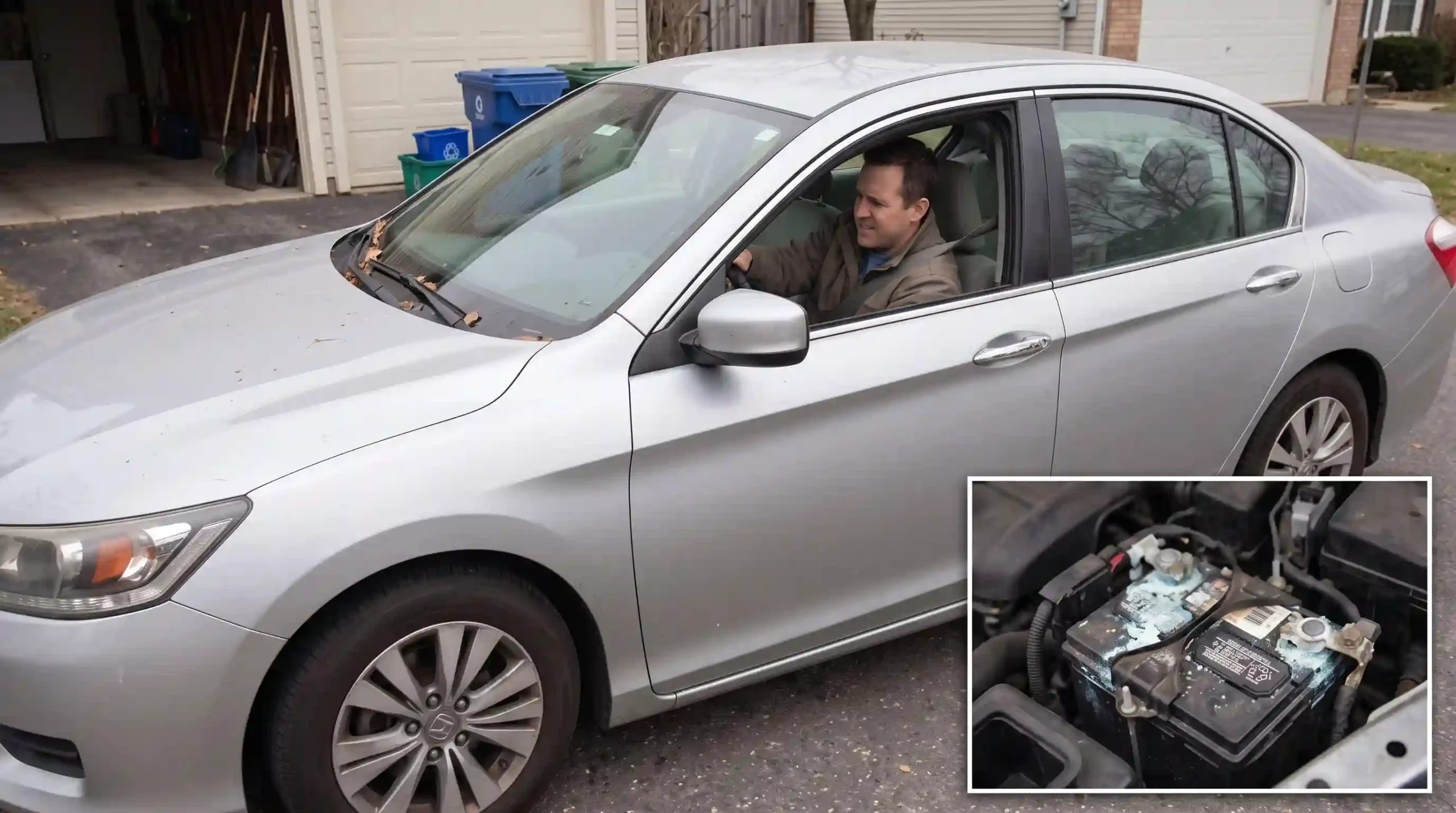
Why Cars Used Only on Weekends Often Develop Battery Problems?
Many people in Dubai own a second car that they only drive on weekends. It feels like a smart way to save fuel and reduce wear on the vehicle. But here is something most weekend drivers do not know: a car that sits unused for five or six days every week is quietly developing a serious battery problem.
Batteries need regular use to stay healthy. When a car sits idle for long periods, the battery slowly loses its charge, the internal parts start to break down, and starting the car becomes harder each time.
If your weekend car keeps giving you trouble, checking out options for a new car battery in Dubai might be the practical next step before the problem gets worse.
The Connection Between Driving Habits and Battery Health
Most car owners think battery problems only come from old age or extreme heat. But driving habits play a huge role in how long a battery lasts. Every time you start your car, the battery sends out a large burst of power to get the engine running.
The alternator then takes over and recharges the battery while the engine runs. If you only drive on weekends and for short distances, the alternator never gets enough time to fully recharge what the battery used during startup.
Over weeks and months, this pattern leaves the battery in a constant state of low charge, which slowly destroys it from the inside.
What Happens Inside a Battery When the Car Is Not Used
A car battery does not simply sit and wait when the car is parked. Small systems inside the car, like the alarm, central locking, clock, and GPS tracker, keep pulling tiny amounts of power from the battery even when the engine is off.
This is called a parasitic drain. Over five or six days of no driving, this drain adds up. The battery voltage drops lower and lower. When the battery charge falls below a certain level, a chemical process called sulfation begins.
Sulfate crystals start forming on the internal plates of the battery, and once this happens, the battery loses its ability to hold a full charge even after recharging.
Why Do Cars Used Only on Weekends Often Develop Battery Problems?
Weekend-only cars face a unique set of conditions that are very hard on battery health. It is not just about the days of sitting idle. It is about a combination of factors that all work against the battery at the same time.
Here is a detailed look at each one:
1. Long Idle Periods Cause Slow but Steady Power Drain
When a car is parked for five or six days straight, the battery keeps losing power to background systems that never fully switch off. Modern cars have many electronic systems that stay in standby mode around the clock.
Each one draws a small amount of current, but together they create a drain that is enough to weaken the battery significantly over several days. By the time the weekend comes and you try to start the car, the battery may not have enough power left to turn the engine over.
This problem gets worse in hot climates like Dubai, where heat speeds up the natural self-discharge rate of the battery.
2. Sulfation Builds Up From Repeated Low Charge Cycles
Every time a battery drops to a low charge level and then gets partially recharged through a short weekend drive, sulfate crystals form on the lead plates inside the battery. This process is called sulfation, and it is one of the most common causes of early battery failure.
The crystals act like a barrier that prevents the battery from accepting or delivering a full charge. Over time, more and more of the plate surface gets covered, and the battery’s capacity keeps shrinking.
A battery that used to start the car with ease starts struggling, and no amount of recharging can fully bring it back once sulfation reaches an advanced stage.
3. Short Weekend Drives Do Not Fully Recharge the Battery
Many weekend drivers take their car out for a quick grocery run or a short trip to a cafe and then park it again. These short drives of ten to twenty minutes are not enough to fully recharge the battery after five or six days of drain.
The alternator needs the engine to run at a steady speed for at least thirty to forty minutes to deliver a meaningful charge back to the battery. Short stop-and-start city driving in busy areas like Dubai does not meet this requirement.
So even though the car was driven on the weekend, the battery never actually recovered its full charge before it was parked again for another five days.
4. Dubai’s Heat Speeds Up Battery Self-Discharge
In cooler countries, a parked car battery loses charge very slowly. But in Dubai, where temperatures can stay high even at night, the self-discharge rate of a battery is much faster.
Heat causes the chemical reactions inside the battery to keep running even when no power is being used. This means a battery in Dubai loses charge faster during those five or six idle days than a battery in a cooler country would.
A battery that might survive two weeks of no driving in Europe could go flat in less than a week in Dubai’s climate. Weekend-only cars in Dubai are therefore at a much higher risk of repeated deep discharge damage.
5. Deep Discharge Permanently Damages Battery Cells
When a battery drops below a certain voltage level, usually around 11.8 volts, it enters what is known as a deep discharge state. This is very harmful to the internal structure of the battery.
The lead plates inside begin to break down in a way that cannot be reversed by simply recharging the battery. A battery that goes through deep discharge even once loses a portion of its total capacity.
A battery that goes through deep discharge repeatedly, as often happens with weekend-only cars, will fail much sooner than expected. In Dubai’s heat, this process happens faster, and most batteries in this situation do not survive beyond eighteen months.
6. Corrosion on Terminals Goes Unnoticed for Longer
When a car is driven every day, the owner naturally notices small changes, like a slow start or dim lights, and takes action early. But when a car is only used on weekends, small problems like terminal corrosion can go unnoticed for weeks.
Corrosion builds up on the battery terminals and cable connectors, creating resistance that blocks the smooth flow of electricity. This makes it harder for the battery to deliver power to the starter motor and harder for the alternator to send charge back to the battery.
By the time the corrosion is noticed, it may have already caused significant damage to the terminals or the battery itself.
7. Temperature Swings Between Weekdays and Weekends Stress the Battery
In Dubai, cars parked outdoors or in parking structures go through temperature changes throughout the week. During the hot weekdays, the battery sits in high heat. Then, when the weekend comes, and the car is driven, the engine and battery go through a sudden cycle of activity after days of being still.
These repeated cycles of sitting in heat and then being suddenly started and driven put physical stress on the battery’s internal components. The materials inside expand and contract with temperature changes, and over time, this weakens the structure of the battery.
Weekend-only cars that are parked in open or poorly ventilated spaces are especially vulnerable to this kind of stress.
8. Lack of Regular Maintenance Checks Makes Things Worse
Daily drivers tend to notice battery warning signs quickly because they use their car every day. Weekend drivers often miss early warning signs because there are only two days a week to notice anything wrong. By the time a problem becomes obvious, the battery may already be in very poor condition.
Regular battery checks, terminal cleaning, and voltage testing are often skipped by weekend car owners because the car seems fine on the surface. Without routine checks, small problems grow into big ones.
A battery that could have been saved with a simple top-up charge or terminal clean ends up needing a full replacement much sooner than it should.
How to Protect Your Weekend Car Battery From Early Failure?
The good news is that most of these problems can be prevented with a few simple habits. Here is what you can do to keep your weekend car battery in good shape:
- Use a trickle charger or battery maintainer during the week to keep the battery at a healthy charge level without overcharging it.
- Start the car mid-week and let it run for twenty to thirty minutes, even if you are not going anywhere, to allow the alternator to top up the battery.
- Take longer drives on weekends instead of short trips so the battery gets a full recharge from the alternator.
- Clean the terminals every two to three months to remove any corrosion and keep the electrical connection strong.
- Disconnect non-essential devices like dashcams and extra trackers that pull power from the battery when the car is not in use.
- Park in a shaded or covered area to reduce the heat the battery is exposed to during the week.
- Get the battery tested at least every three months to catch any early signs of weakness before they turn into a breakdown.
When Is It Time to Replace the Battery in Your Weekend Car?
If your weekend car is struggling to start, showing dim lights, or the battery warning light is coming on, these are clear signs that the battery is failing. A battery that has gone through repeated deep discharge cycles or heavy sulfation cannot be fully recovered.
Getting it tested by a professional will tell you exactly how much life it has left. In Dubai’s tough climate, batteries in weekend-only cars often need replacing every eighteen months to two years. Waiting too long increases the risk of being stranded, which is never a good experience, especially when you only have the weekend to enjoy your car.
Conclusion
A car used only on weekends faces a harder battery life than one driven every day. Long idle periods, repeated low charge cycles, sulfation, heat, and ignored maintenance all combine to shorten battery life faster than most owners expect.
The solution is not complicated. A few simple habits during the week, like using a maintainer or starting the car mid-week, can make a big difference.
Regular checks and timely replacements are the best way to make sure your weekend car is always ready when you need it. Do not let a weak battery cut your weekend plans short.