

10 Hidden Vehicle Problems That Only a Comprehensive Inspection Can Detect
A car may look perfect from the outside, but many serious problems stay hidden where you cannot see them. A comprehensive vehicle inspection helps find these issues early, making your car safer, more reliable, and less expensive to maintain.
Hidden problems can include engine fault codes, frame damage, transmission wear, and small fluid leaks. A detailed inspection also uncovers worn suspension parts, hidden water damage, uneven brake wear, electrical faults, poor body repairs, and exhaust corrosion.
Finding these issues early helps prevent costly repairs and keeps your vehicle in better condition.
Why a Comprehensive Vehicle Inspection Is Important
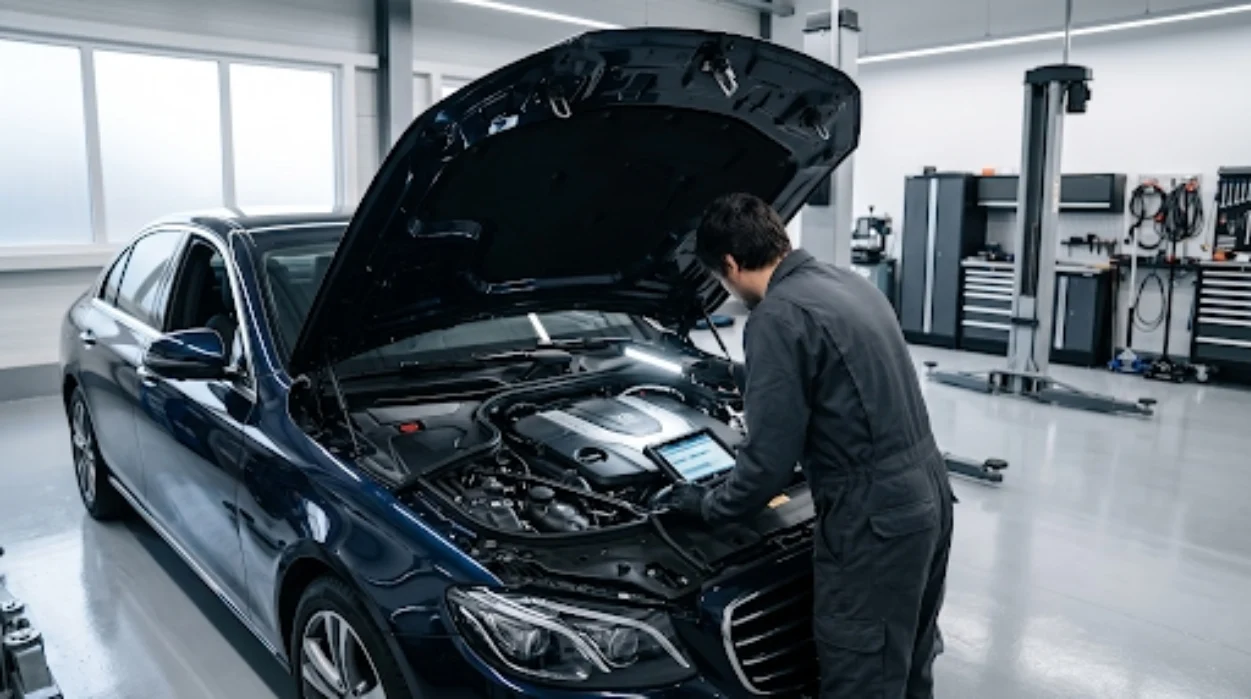
A complete inspection checks much more than what is visible during a normal walk around or short test drive. Skilled technicians examine the engine, transmission, brakes, suspension, electrical system, body, and undercarriage using professional tools.
Zenfo Auto Services provides reliable vehicle inspection in Abu Dhabi, helping drivers discover hidden problems before they require major repairs. A detailed inspection also gives owners greater confidence that their vehicle is safe and ready for daily driving.
Hidden Vehicle Problems That Professional Inspections Detect
1. Hidden Engine Fault Codes
Modern vehicles have electronic control systems that record faults even when the dashboard does not display a warning light. These stored fault codes may indicate sensor failures, ignition problems, or fuel system issues that occur only from time to time.
During a comprehensive inspection, technicians use advanced diagnostic equipment to read these codes and identify the exact cause. Fixing these hidden faults early helps improve engine performance, fuel economy, and overall vehicle reliability.
2. Frame Damage and Structural Misalignment
A vehicle that has been involved in an accident may still look good after repairs. However, hidden frame damage can affect handling and reduce protection during another collision. Inspectors carefully examine panel gaps, weld marks, and frame measurements to detect structural problems.
They also look underneath the vehicle for signs of poor repairs that are not visible from above. Discovering these issues helps owners avoid future safety risks and expensive structural repairs.
3. Transmission Problems Before They Become Serious
A transmission can seem to work normally during a short drive while developing problems internally. Technicians inspect the transmission for delayed gear engagement, slipping, overheating, and contaminated transmission fluid.
These warning signs often appear long before complete transmission failure occurs. Finding transmission issues early allows repairs to be completed before major damage develops. This not only saves money but also keeps the vehicle shifting smoothly and driving comfortably.
4. Small Engine Leaks That Can Cause Major Damage
Tiny oil or coolant leaks often remain unnoticed because they drip slowly or collect underneath engine components. Over time, these leaks can lead to overheating, poor lubrication, or serious engine damage.
During an inspection, technicians lift the vehicle to examine seals, gaskets, hoses, and the engine block for wet spots or fluid stains. Detecting these leaks early allows simple repairs that help protect the engine and prevent costly mechanical failures.
5. Worn Suspension Components
The suspension system plays a major role in vehicle stability and ride comfort. Worn shock absorbers, struts, bushings, ball joints, or control arms may not show obvious signs while driving on smooth roads.
During a complete inspection, technicians check every suspension component carefully for wear or damage. Replacing worn parts improves steering control, reduces uneven tire wear, and provides a smoother driving experience while making the vehicle safer on different road conditions.
6. Hidden Water Damage and Mold
Water can enter a vehicle after flooding, heavy rain, or leaking door and window seals. While the visible surfaces may appear clean, moisture often remains trapped beneath carpets, inside the spare wheel compartment, or behind interior panels.
Inspectors look for rust, mold, corrosion, and damaged electrical connectors caused by water exposure. Identifying these hidden problems early helps prevent unpleasant smells, electrical failures, and expensive interior repairs later.
7. Uneven Brake Pad and Rotor Wear
Braking performance depends on much more than the outer brake pads. During a professional inspection, technicians measure brake pad thickness, inspect both sides of the brake rotors, and check brake lines for corrosion or leaks.
Uneven brake wear can reduce stopping power and increase the risk of brake failure during emergencies. Regular inspections ensure every braking component works correctly, giving drivers better control and greater confidence behind the wheel.
8. Hidden Electrical System Faults
Electrical problems can be difficult to identify because they often appear only under certain conditions. A complete inspection includes testing the battery, charging system, alternator, wiring, relays, and electrical connections.
Technicians also check for battery drains and damaged wiring that may cause starting problems or unexpected electrical failures. Detecting these faults early improves vehicle reliability and reduces the chance of being stranded because of electrical system issues.
9. Poor Quality Body Repairs
Some repaired vehicles hide rust, body filler, or poor paintwork beneath a shiny finish. Professional inspectors use paint thickness gauges and visual inspections to identify repaired panels and hidden accident damage.
They also compare paint colour and surface quality across different body sections. This information helps buyers understand the vehicle’s true condition and prevents unexpected repair costs after purchasing a used vehicle.
10. Exhaust System Corrosion
The exhaust system is exposed to heat, moisture, and road debris every day. Over time, rust and cracks can develop in pipes, joints, and the muffler. Damaged exhaust components may allow harmful gases such as carbon monoxide to enter the passenger cabin.
During a comprehensive inspection, technicians examine the complete exhaust system for corrosion, loose connections, and damaged mounting points. Early repairs improve safety, reduce noise, and maintain proper engine performance.
When Should You Get a Comprehensive Vehicle Inspection?
A comprehensive vehicle inspection is recommended at several important times during vehicle ownership. It is especially useful before buying a used car because it helps uncover hidden mechanical or structural problems.
You should also schedule an inspection before a long road trip to reduce the risk of breakdowns. If your vehicle has been involved in an accident, a detailed inspection can identify damage that may not be visible.
Regular inspections every year or according to the manufacturer’s maintenance schedule also help keep your vehicle safe and reliable.
Can a Test Drive Replace a Comprehensive Vehicle Inspection?
A test drive is useful for checking basic driving performance, but it cannot reveal every problem. Many hidden issues, such as stored engine fault codes, underbody damage, suspension wear, transmission faults, and electrical problems, require professional tools and a thorough inspection.
Some defects only become visible when the vehicle is lifted or scanned with diagnostic equipment. A comprehensive inspection provides a complete picture of the vehicle’s condition, making it a much safer choice than relying on a test drive alone.
Conclusion
Many vehicle problems stay hidden until they become expensive repairs or serious safety risks.
Engine fault codes, transmission wear, frame damage, electrical faults, water damage, brake issues, suspension wear, poor repairs, and exhaust corrosion are all easier to detect through a professional inspection.
Choosing a trusted vehicle inspection service in Abu Dhabi helps identify these hidden issues before they affect your safety or your budget. Regular inspections are a smart investment that keeps your vehicle dependable, safe, and ready for every journey.