


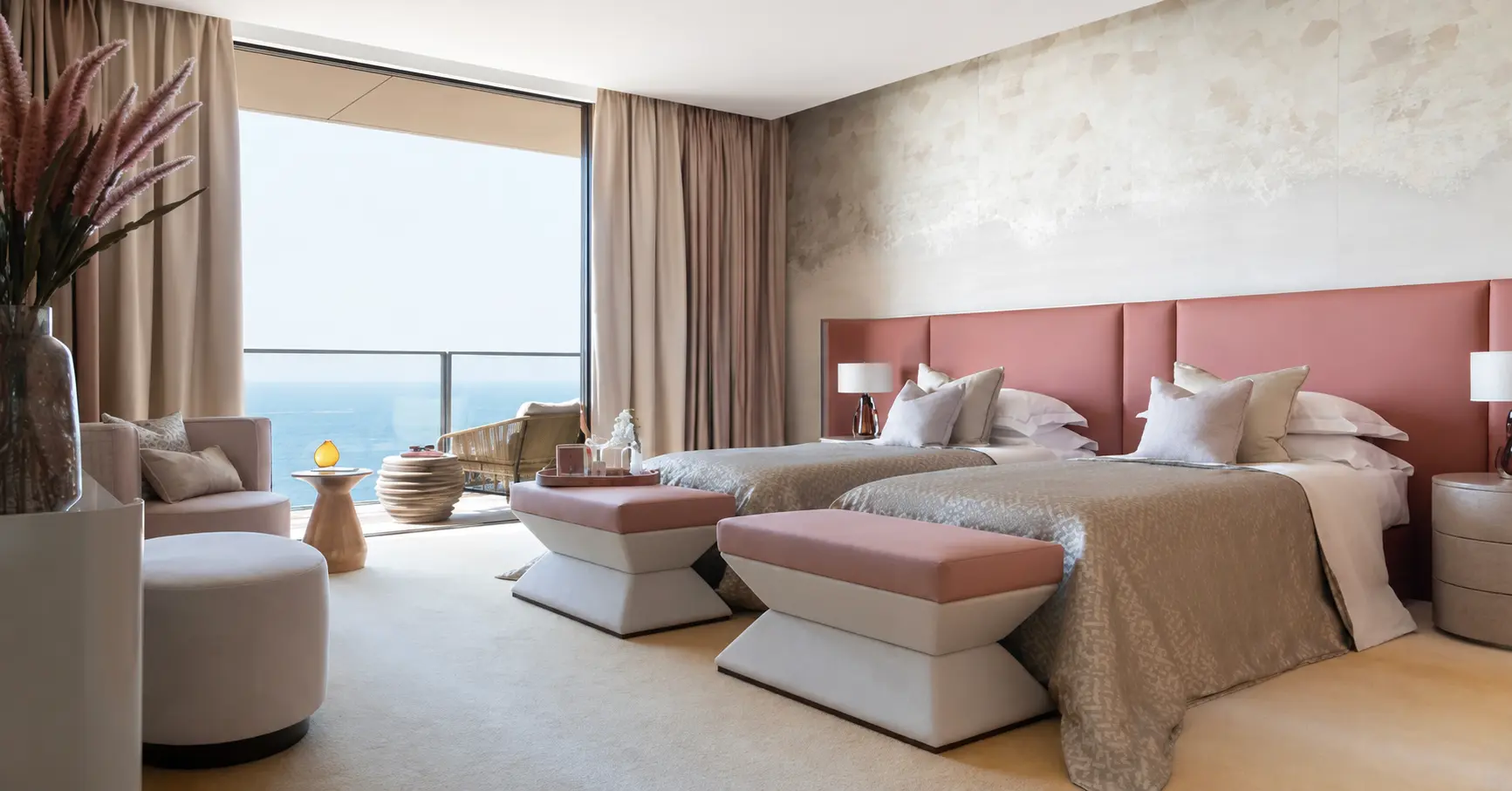
Interior Design in Dubai Marina and JBR: Waterfront Apartment Living
Buying an apartment in Dubai Marina or JBR often comes with a clear vision of waterfront living, but turning that vision into a practical and comfortable home requires careful planning. Floor plans, building regulations, natural light, and the demands of coastal living all influence design decisions long before furniture and finishes are selected.
Apartments in these neighbourhoods range from contemporary towers to established residential buildings, each with its own architectural style and layout. Choosing the right design direction involves balancing personal preferences with the realities of apartment living, which is why many homeowners begin by comparing interior companies in Dubai before committing to a project.
Designing Around the Waterfront Environment
One of the defining features of Dubai Marina and JBR is the relationship between the interior and the surrounding views. Large windows and balconies create strong visual connections with the marina, the Arabian Gulf, or the city skyline. A successful interior design scheme works with these features rather than competing against them.
Furniture layouts should preserve sightlines wherever possible, allowing the view to remain a central feature of the home. Bulky storage or oversized furniture placed directly in front of glazing can reduce both natural light and the sense of openness that attracts buyers to waterfront apartments in the first place.
The coastal environment also deserves attention when selecting materials. Salt in the air, higher humidity near the waterfront, and strong sunlight throughout much of the year can affect certain finishes over time. Durable materials, UV-resistant fabrics, and quality surface treatments help maintain the appearance of the home with less ongoing maintenance.
Making the Most of Apartment Layouts
Although Dubai Marina and JBR include many spacious apartments, layouts are not always straightforward. Curved façades, structural columns, and open-plan living spaces can make furniture planning more challenging than expected.
Instead of filling every available area, a considered layout creates clear circulation throughout the apartment. Living, dining, and working spaces should feel connected while still serving distinct functions. This becomes increasingly important for residents who work from home or regularly entertain guests.
Storage is another area that benefits from early planning. Integrated cabinetry designed specifically for the apartment often provides a cleaner result than freestanding units, particularly in bedrooms, entrance halls, and utility areas where every centimetre matters.
Many waterfront properties also include generous ceiling heights. Rather than relying on decorative features alone, these proportions can be used to introduce full-height joinery, carefully positioned lighting, and architectural detailing that enhances the scale of the space.
Balancing Contemporary Style With Everyday Living
Modern interiors are common throughout Dubai Marina and JBR, but a successful apartment is designed around the people who live there rather than simply following current trends.
Neutral finishes often provide flexibility, allowing artwork, textiles, and carefully selected furniture to add personality without overwhelming the space. This approach also makes future updates simpler as tastes evolve or ownership changes.
Lighting deserves equal consideration. Daylight changes significantly from morning to evening in waterfront apartments, and relying on ceiling fixtures alone rarely creates the right atmosphere. Layered lighting, including task, ambient, and accent lighting, allows each room to adapt throughout the day while highlighting architectural features and materials.
For families, couples, or owners who divide their time between Dubai and other countries, interiors should also support practical daily routines. Easy-to-maintain surfaces, concealed storage, and durable materials often prove more valuable over time than highly decorative finishes that require frequent upkeep.
Avoiding Common Design Mistakes
One of the most common mistakes is making design decisions before fully understanding the building’s requirements. Many residential towers have approval procedures for renovation work, restrictions on structural changes, and guidelines for service installations. Factoring these into the design programme from the beginning helps avoid delays later.
Another overlooked issue is selecting materials based solely on appearance. A finish that works well in a cooler climate may not perform as expected in Dubai’s conditions, particularly where direct sunlight and air conditioning create different environmental demands throughout the year.
Acoustics are also frequently underestimated in apartment design. Hard flooring, extensive glazing, and open layouts can create echo and reduce comfort. Soft furnishings, rugs, wall finishes, and carefully selected materials can improve the acoustic quality of living spaces without affecting the overall design aesthetic.
Finally, many homeowners focus almost entirely on the main living areas while giving less attention to secondary spaces such as entrance halls, guest bathrooms, and utility rooms. These areas contribute significantly to the overall experience of living in the apartment and deserve the same level of planning as the more visible rooms.
Conclusion
Waterfront apartments in Dubai Marina and JBR offer distinctive opportunities, but they also present design considerations that differ from villas or inland residential developments. A thoughtful interior design approach responds to the building, the coastal environment, and the way the property will be used each day. When these factors are considered from the outset, the finished home feels practical, comfortable, and well suited to its unique waterfront setting.