


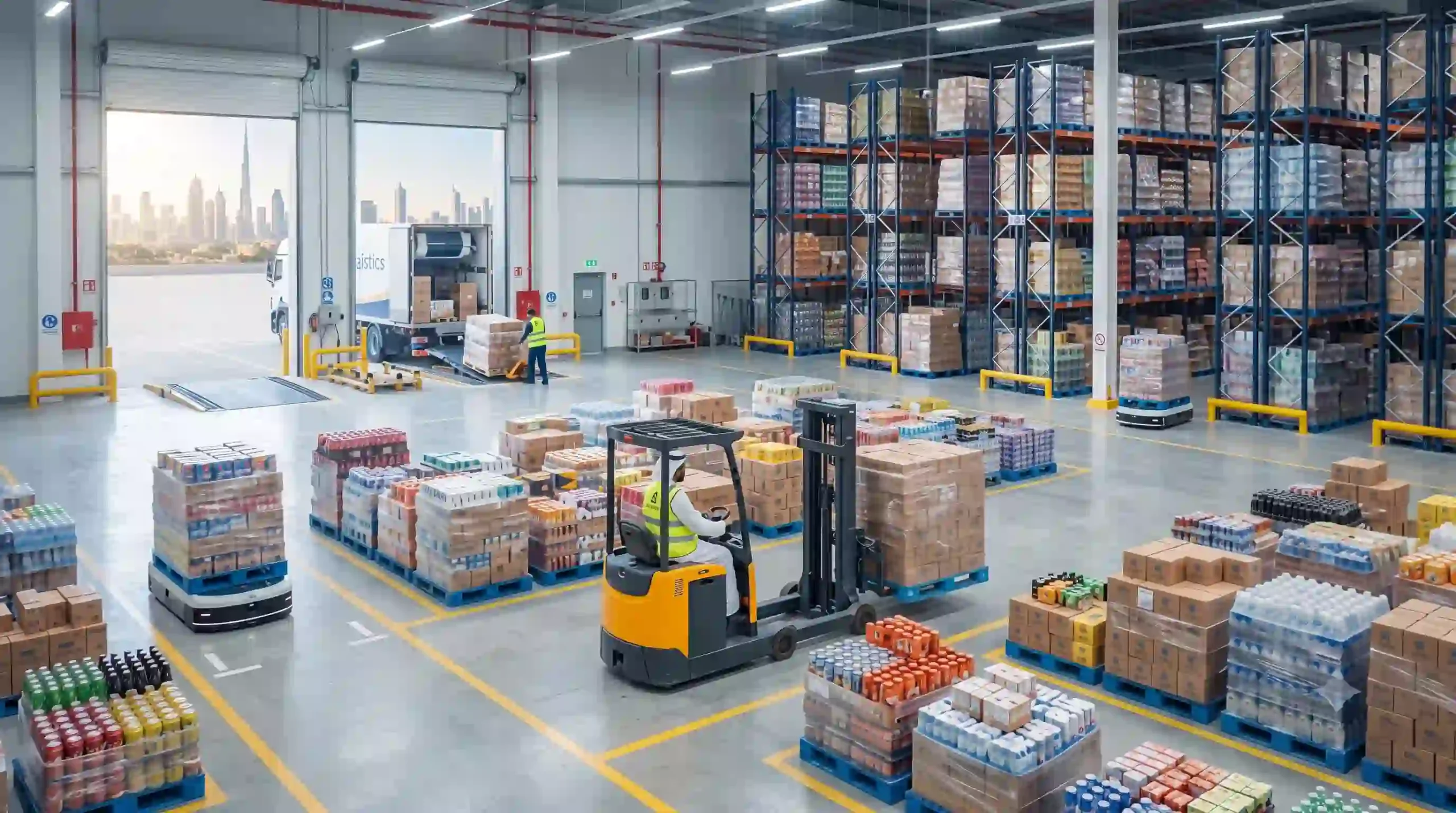
How Does Dubai’s FMCG Industry Benefit from Standardized Material Handling?
The FMCG industry in Dubai moves thousands of products every day. From food and beverages to personal care items and household goods, businesses need fast and reliable systems to keep products moving through warehouses and distribution centers.
Efficient material handling helps reduce delays, improve safety, and maintain product quality. Standardized material handling creates a more organized supply chain by using consistent storage, transportation, and handling methods.
It improves inventory accuracy, speeds up warehouse operations, reduces product damage, supports worker safety, and helps businesses deliver products to customers on time.
Why Is Standardized Material Handling Important?
Material handling includes every step involved in moving, storing, loading, unloading, and transporting products. When businesses use different equipment or handling methods, operations become slower, and mistakes are more likely to happen.
Standardized processes create consistency across the supply chain and make daily operations easier to manage. For Dubai’s growing FMCG sector, standardization also supports faster distribution, lower operating costs, and better customer service. It allows businesses to handle increasing demand while maintaining efficiency.
Key Benefits of Standardized Material Handling
Standardized material handling improves every stage of warehouse and distribution operations. It creates consistent processes that reduce errors, improve productivity, and protect products throughout the supply chain.
The following benefits show why many FMCG businesses are adopting standardized handling systems.
1. Improves Warehouse Efficiency
Standard storage systems make warehouses easier to organize and manage. Employees know where products belong, reducing the time spent searching for inventory. Organized storage also improves picking, packing, and dispatch operations.
Better warehouse efficiency allows businesses to process more orders without increasing labor requirements. This leads to faster deliveries and improved customer satisfaction.
2. Reduces Product Damage
Products are moved many times before reaching customers. Poor handling can cause broken packaging, damaged goods, and unnecessary waste. Standardized handling methods reduce rough handling and improve product protection.
Using durable plastic crates in Dubai solutions from Crateco Pack LLC helps businesses transport and store products safely while reducing damage during loading, unloading, and warehouse movement.
3. Improves Inventory Accuracy
Accurate inventory management is essential for FMCG businesses because products move quickly through the supply chain.
Standardized storage locations and handling procedures reduce counting errors and misplaced inventory.
When products are stored consistently, warehouse teams can complete stock checks faster. Better inventory accuracy also helps businesses avoid stock shortages and unnecessary overstocking.
4. Supports Faster Order Fulfillment
Customers expect quick deliveries, especially in the FMCG industry. Standardized material handling reduces delays by creating efficient workflows for picking, packing, and shipping products.
Employees become more productive because they follow the same handling procedures every day. Faster order processing improves customer satisfaction while helping businesses handle larger order volumes.
5. Improves Workplace Safety
Warehouses are busy environments where employees move products throughout the day. Standardized handling procedures reduce workplace risks by providing clear guidelines for lifting, stacking, and transporting goods safely.
Using properly designed storage equipment also improves stability during handling. Safer workplaces reduce accidents, improve employee confidence, and support uninterrupted operations.
6. Makes Better Use of Storage Space
Efficient storage is important because warehouse space is expensive. Standardized containers and stacking methods allow businesses to organize products more effectively while making full use of available storage areas.
Better space utilization also improves movement inside warehouses. Employees can access products more easily without creating unnecessary congestion.
7. Supports Better Product Traceability
Tracking products throughout the supply chain is easier when businesses follow standardized handling procedures.
Clearly labeled storage locations and organized inventory systems improve product visibility from receiving to final delivery.
Better traceability helps businesses respond quickly to customer requests, product recalls, or quality inspections. It also supports stronger inventory control and operational planning.
8. Reduces Operating Costs
Inconsistent handling methods often create unnecessary labor, damaged products, and operational delays. Standardized systems reduce these inefficiencies by improving workflow and minimizing waste.
Lower product damage, better inventory management, and faster warehouse operations help businesses control operating costs while increasing overall productivity.
9. Supports Business Growth
As FMCG businesses expand, their operations become more complex. Standardized material handling creates a system that can easily support higher product volumes and additional warehouse locations without major process changes.
Scalable operations allow businesses to grow while maintaining consistent service quality and operational efficiency.
10. Improves Customer Satisfaction
Customers expect products to arrive on time and in excellent condition. Standardized handling reduces delivery errors, protects product quality, and supports reliable order fulfillment.
Consistent service builds customer confidence and encourages long-term business relationships. Reliable operations also strengthen a company’s reputation in the competitive FMCG market.
Best Practices for Standardized Material Handling
Creating standardized operations requires more than using the same equipment. Businesses should develop clear procedures that employees can follow consistently throughout daily operations.
Some recommended practices include:
- Use standardized storage containers: Choose durable containers with consistent sizes to simplify storage, stacking, and product movement across facilities.
- Organize warehouse layouts: Design storage areas with clear locations to improve product accessibility and reduce unnecessary movement.
- Train warehouse employees: Provide regular training on handling procedures to improve safety, consistency, and operational efficiency.
- Label products clearly: Use accurate labels and barcodes to improve inventory tracking and reduce picking errors.
- Inspect handling equipment regularly: Maintain storage equipment and handling tools to ensure safe and reliable daily operations.
- Follow consistent loading procedures: Load and unload products using the same process to reduce damage and improve efficiency.
- Monitor warehouse performance: Track operational data regularly to identify areas where handling processes can be improved.
- Review processes periodically: Update material handling procedures as business needs and product volumes continue to grow.
Following these practices helps businesses build efficient warehouse operations that support long-term growth.
Problems Caused by Inconsistent Material Handling
When businesses do not follow standardized material handling practices, daily operations become less efficient and more expensive.
Different handling methods, storage systems, and equipment can create confusion for employees and slow down warehouse activities. Small mistakes can quickly affect inventory accuracy, product quality, and delivery performance.
As product volumes continue to grow in Dubai‘s FMCG industry, inconsistent handling can also make it harder for businesses to meet customer expectations and maintain smooth supply chain operations.
Some common challenges include:
- Higher product damage: Improper handling and storage increase the risk of damaged goods during loading, transportation, and warehousing.
- Inventory inaccuracies: Products may be misplaced or counted incorrectly, making stock management more difficult.
- Slower warehouse operations: Inconsistent processes reduce efficiency and increase the time required to complete daily tasks.
- Increased operating costs: More damaged products, extra labor, and repeated handling lead to unnecessary business expenses.
- Poor use of storage space: Different container sizes and unorganized storage layouts reduce warehouse capacity and efficiency.
- Delivery delays: Disorganized handling processes can slow order preparation and affect delivery schedules.
- Greater safety risks: Poor stacking and improper handling techniques increase the chances of workplace accidents.
Conclusion
Standardized material handling is more than an operational improvement. It creates a stronger foundation for efficient warehouse management, reliable distribution, and consistent product quality.
Businesses that adopt organized handling systems can improve productivity, reduce costs, and strengthen customer satisfaction.
As Dubai’s FMCG industry continues to expand, investing in standardized material handling practices helps companies remain competitive while building a faster, safer, and more reliable supply chain.