


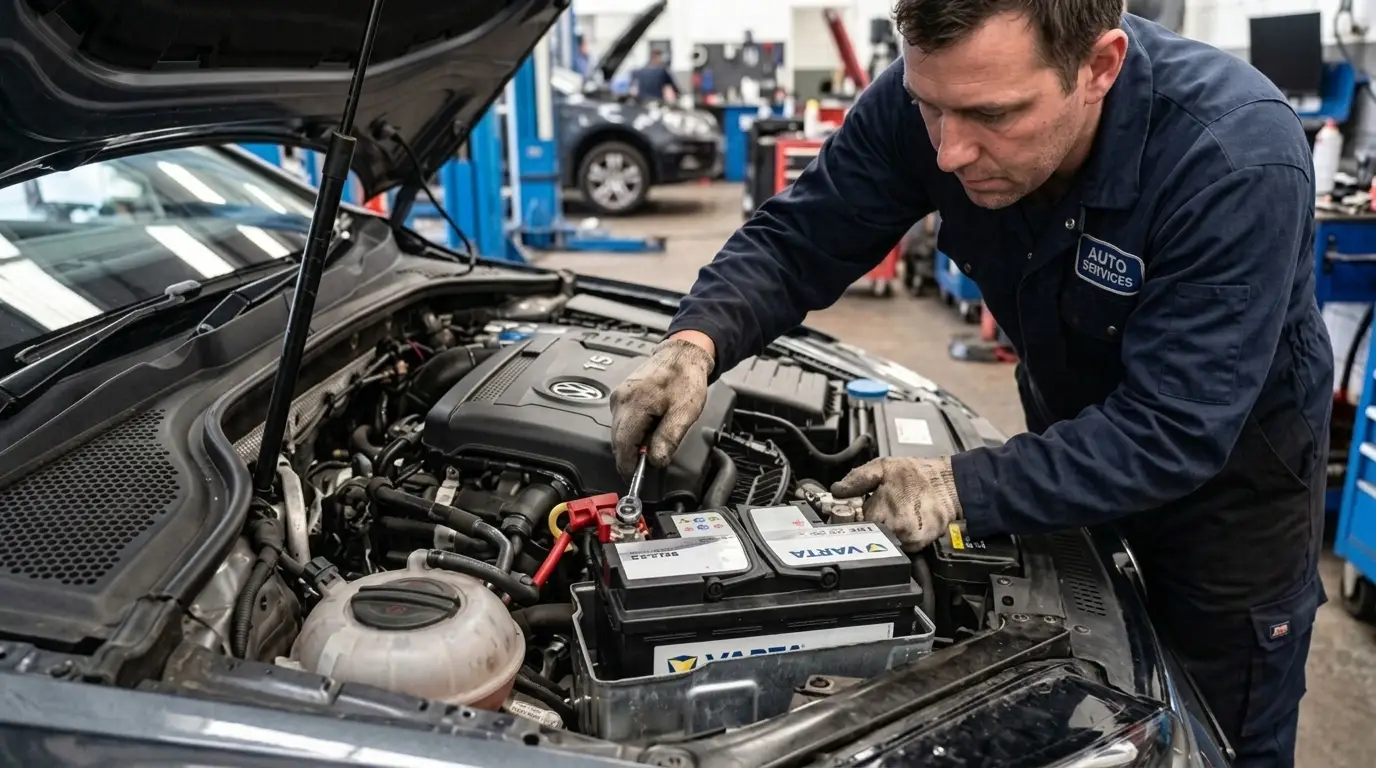
What Happens During a Professional Varta Battery Change in Dubai?
A car battery rarely fails at a convenient moment. It’s usually a slow start on a hot morning, dim headlights on the drive home, or the dreaded silence when the key turns and nothing happens.
In Dubai’s climate, where extreme heat puts extra strain on batteries year-round, a professional replacement tends to be a smoother, more predictable experience than most drivers expect.
Here’s what actually happens from the moment a technician arrives to the moment the car is back on the road.
Booking and Diagnosis Come First
A proper battery change doesn’t start with pulling out the old battery, it starts with confirming that the battery is actually the problem.
Many drivers now book a professional Varta Battery Replacement in Dubai from trusted providers like Battery Zone UAE, since a certified technician can test the battery on-site using a proper diagnostic tool rather than guessing based on symptoms alone.
This step matters more than it seems. Slow starts and electrical issues aren’t always caused by the battery itself, sometimes the alternator or charging system is the real issue, and a proper diagnostic test rules that out before any replacement work begins.
Checking the Battery’s Actual Condition
Once on-site, the technician connects a battery tester to check the charging state, cold cranking amps, and overall health of the existing battery.
A healthy battery typically reads above 12.6 volts when the car is off, while anything noticeably lower signals a battery that’s genuinely failing rather than just temporarily drained.
The technician also inspects the terminals and surrounding area for corrosion, a common issue in humid, high-heat environments, since heavy corrosion can affect performance even if the battery itself still holds some charge.
Matching the Right Battery to the Vehicle
Not every battery fits every car, even within the same general size category. A professional technician confirms the correct specification for the vehicle, checking cold cranking amps, physical dimensions, and terminal layout against the manufacturer’s requirements rather than assuming one battery fits all.
This is also where genuine Varta batteries matter. Using a battery matched to the vehicle’s actual electrical demands, rather than a generic or undersized alternative, plays a big role in how long the replacement lasts.
Safely Removing the Old Battery
Before touching anything, the technician switches off the engine and all electrical loads, then disconnects the negative terminal first, followed by the positive terminal. This order isn’t arbitrary; it reduces the risk of a short circuit or electrical spark during removal.
Many vehicles today also require a memory saver device connected during this step, which keeps the car’s electronic settings, radio presets, clock, and various configurations from resetting once power is cut.
Installing and Securing the New Battery
With the old battery removed, the technician cleans the battery tray and terminals to clear away any corrosion before placing the new battery into position. The positive terminal is reconnected first, followed by the negative terminal, reversing the removal order for safety.
The battery is then properly secured with its hold-down clamp or bracket. A battery that isn’t fully secured can shift during driving, which puts unnecessary strain on the terminals and cables over time.
Testing Before the Job Is Called Done
A battery swap isn’t complete once the new unit is bolted in. The technician starts the engine to confirm it turns over properly and checks that dashboard lights, electronics, and any features affected by the battery change are working as expected.
This final check matters because occasional issues, like a battery relearn process required by some modern vehicles, only show up once the engine is actually running. Catching this on-site avoids a second visit later.
Responsible Disposal of the Old Battery
A professional service doesn’t leave the old battery behind. Car batteries contain lead and acid that require proper handling, so a legitimate battery replacement service takes the old unit for recycling rather than leaving it for the customer to deal with separately.
This step is easy to overlook but matters both for compliance and for keeping hazardous materials out of general waste.
Conclusion
A professional battery change involves considerably more than swapping one box for another. Diagnosing the real issue, matching the correct battery, following the proper connection order, and testing everything before wrapping up are what separate a job that’s done right from one that leaves a driver back at square one within a few months.
For most drivers, that difference is exactly why a professional visit ends up being worth it over a quick DIY swap.